
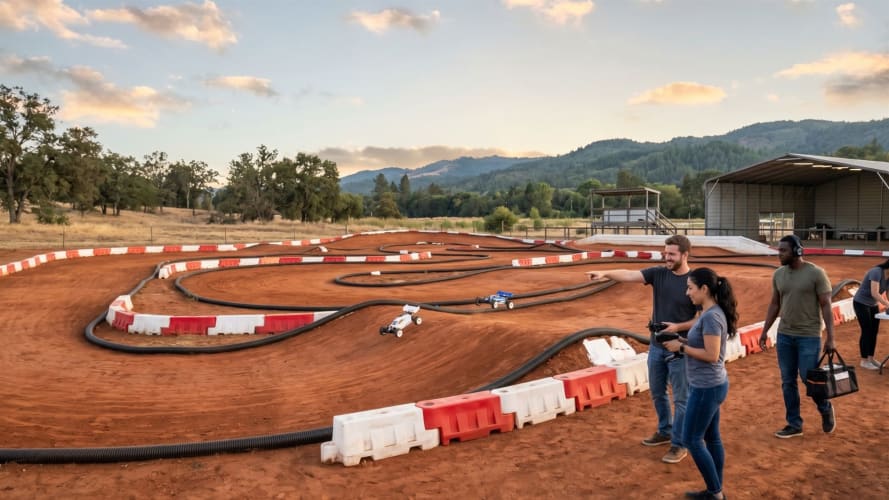
You’ve been bashing around the backyard or the local park, and you’re starting to wonder what it’s like to actually line up on a grid. Trust me, there’s nothing quite like the adrenaline rush of hearing that opening buzzer and diving into the first turn with a pack of other drivers. If you’re looking into how to start RC racing, you’re about to enter one of the most rewarding hobbies out there. Get started today.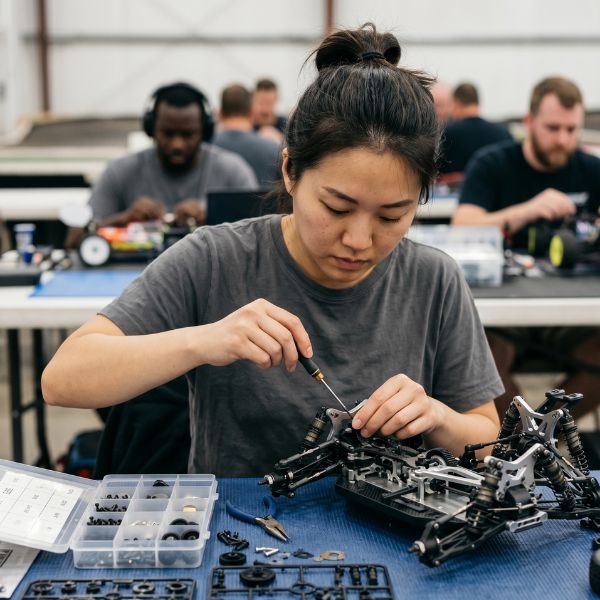
First things first: what are you going to drive? For RC racing for beginners, the debate usually comes down to a Buggy vs. a Stadium Truck. Buggies are surgical and fast, while trucks are a bit more forgiving on jumps. Most local scenes are dominated by the 1/10 scale buggy kit because they are incredibly tunable and have the deepest competition. Check what everyone else is running; it’s always easier to get setup advice when you’re driving what the fast guys use.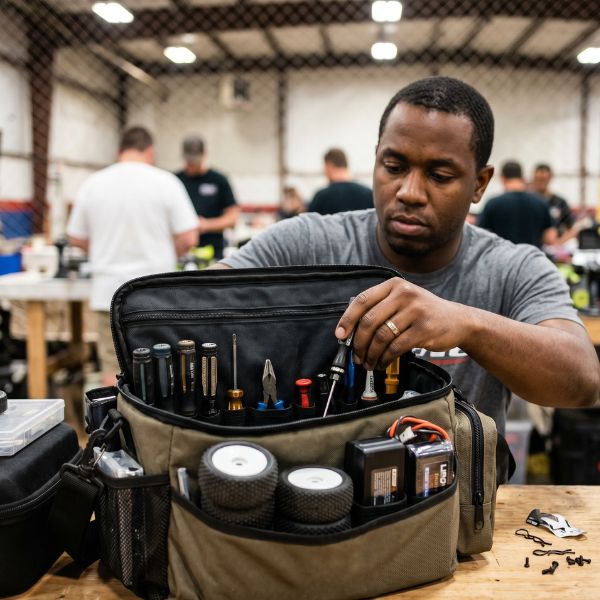
You don’t need a massive trailer, but you do need the basics. Beyond your car, make sure you have a decent set of hex drivers, a few spare sets of tires (track surface matters!), and at least two or three solid LiPo batteries. A fast charger is a must so you can keep the power flowing between rounds.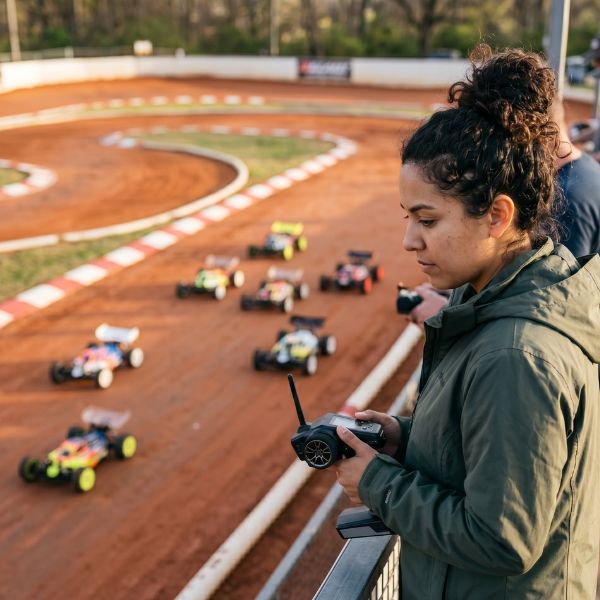
When you finally head to a local RC race track, the day usually follows a simple flow:
Practice: Get your lines down and feel out the grip.
Qualifiers: You’ll run timed heats to see who can pull the most laps. This sets your starting position.
The Main: This is the real deal—racing for position against the field.
If you’re in Northern California, come hang out at the RPP Hobby track in Ukiah. We’ve built a facility that’s all about community. Whether you’re a seasoned pro or it’s your first time on the driver’s stand, our crew is always down to help you dial in your rig. Get started today.